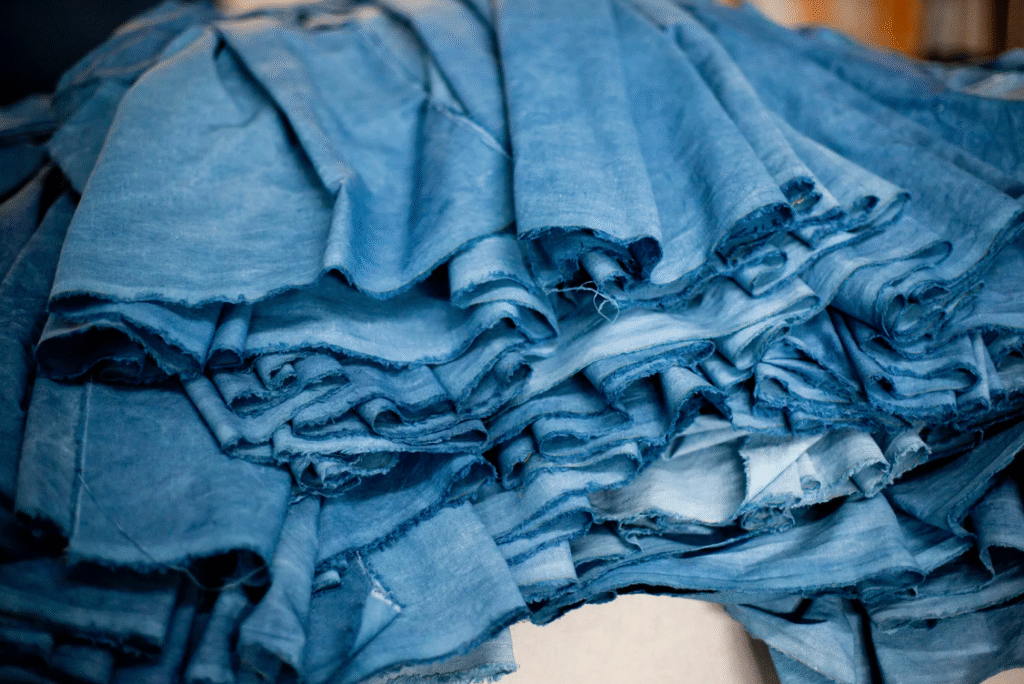

While the fashion and textile industry faces many sustainability challenges, one of the most damaging lies within the dyeing process. Dyeing garments requires enormous amounts of water and relies heavily on toxic chemicals to achieve vibrant, long-lasting color. Globally, the fashion industry is responsible for nearly one-fifth of industrial water pollution, making textile dyeing a major environmental concern.
The impact of dyeing varies by region, particularly in countries with weaker environmental regulations. Bangladesh, the world’s second-largest garment manufacturer after China, has been severely affected. In many areas, wastewater from dyeing factories is discharged directly into rivers and canals, turning waterways black, emitting strong odors, and killing aquatic life. These polluted waters also endanger nearby communities that depend on them for drinking water and agriculture. Researchers have identified 72 toxic chemicals commonly used in textile dyeing, many of which are linked to cancer, skin disorders, and long-term harm to both humans and ecosystems.
Although initiatives such as Zero Liquid Discharge policies and factory shutdowns have attempted to reduce pollution, experts argue that real change requires long-term commitments from global brands, investment in clean technologies, and a shift away from fast fashion’s rapid production cycle. Without industry-wide accountability, the environmental cost of color will continue to rise.
Fortunately, innovative companies are proving that sustainable dyeing is possible. Colorifix uses microorganisms whose DNA is modified to naturally produce color, significantly reducing water, energy, and chemical use. Tinctorium engineers bacteria to mimic the Japanese indigo plant, offering a cleaner method for dyeing denim. Pili, a French biotech company, transforms agricultural waste into dyes using microbes that work at room temperature, cutting water use by five times and energy use by ten.
On a smaller scale, Green Matters Dye Company in Pennsylvania uses rainwater and plant-based dyes while partnering with local farmers to reuse dye baths as fertilizer. Producing locally further reduces its carbon footprint.
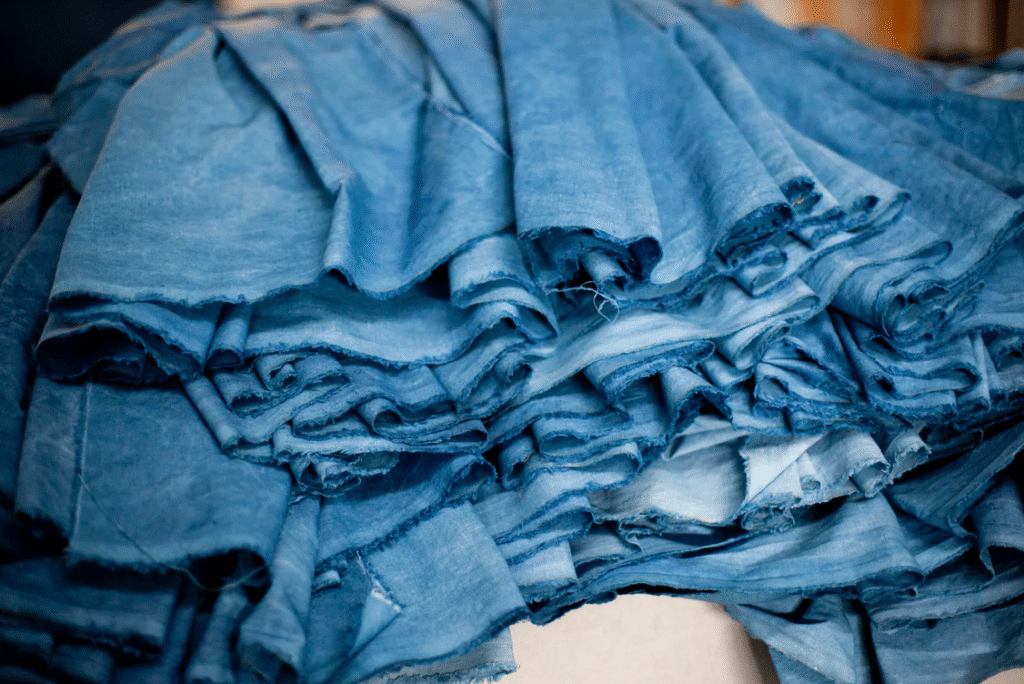
Through exploring these alternatives, it is clear that sustainability does not limit creativity or quality—it strengthens it. The future of fashion must prioritize responsible production, because the true cost of color should never be our planet’s well-being