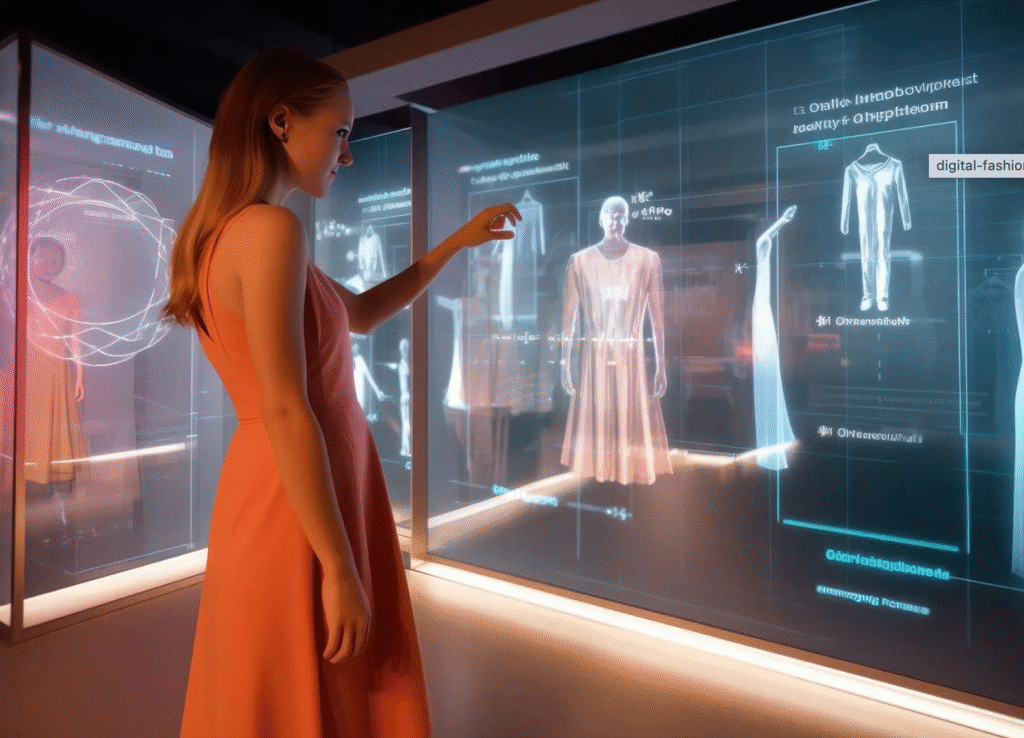
In an era dominated by rapid technological innovation, fashion finds itself at a crossroads between traditional craftsmanship and digital, AI-driven automation. While technology promises efficiency and futuristic experiences, many are asking: Is fashion losing its soul?
On one hand, artificial intelligence and automation are transforming how fashion is created and marketed. AI tools can rapidly generate designs, analyze trend data, and even automate segments of design workflows, reducing what once took weeks into hours. These systems help brands forecast trends and optimize collections with unprecedented speed, transforming the industry into what some call Fashion 4.0, a blend of digital tools and traditional processes for greater efficiency and innovation.
Yet, this digital leap comes with trade-offs. Studies show that consumers tend to value human-designed garments more than AI-generated ones, associating them with authenticity, quality, and emotional appeal—elements that machines have yet to replicate fully. ScienceDirect Additionally, academic research warns that over-reliance on AI may diminish the role of human intuition—the unique spark that gives fashion its cultural meaning and emotional depth. IJSRD
This tension isn’t just academic. In real-world fashion culture, luxury houses that lean too heavily on AI can face backlash. For example, a recent AI-generated campaign by a storied couture brand was criticized as “cheap” and undermining artistic integrity, fueling conversation about the limits of digital creativity in high fashion. New York Post
Ultimately, the future of fashion isn’t binary. Technology doesn’t have to replace human craft, it can enhance it. AI can unlock data insights and streamline repetitive tasks, freeing designers to focus on creative expression. The challenge and real opportunity lies in balancing innovation with craftsmanship, ensuring that fashion remains both imaginative and meaningful in a digital age.