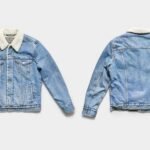

The Rise of Smart Textile Technology
The intersection of fashion and technology is shaping an exciting new future for design—and one Brooklyn-based company is leading the charge. Founded in 2014, Loomia is revolutionizing the way we think about clothing with its groundbreaking LEL (Loomia Electronic Layer) technology. This invention is revolutionizing the way in which textiles can intersect with technology, thus unleashing more potential than ever before!
What Makes Loomia Different
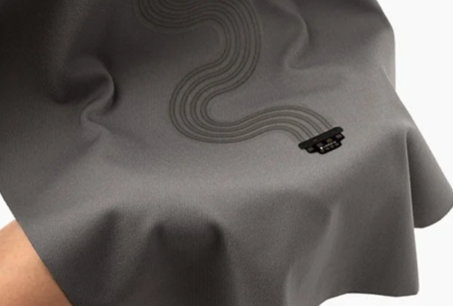
Unlike traditional wearables, the LEL is a soft, flexible circuit system that can be seamlessly integrated into garments without altering their look or feel. It’s lightweight, completely washable, and practically invisible to the eye—making it perfect for fashion-forward functionality.
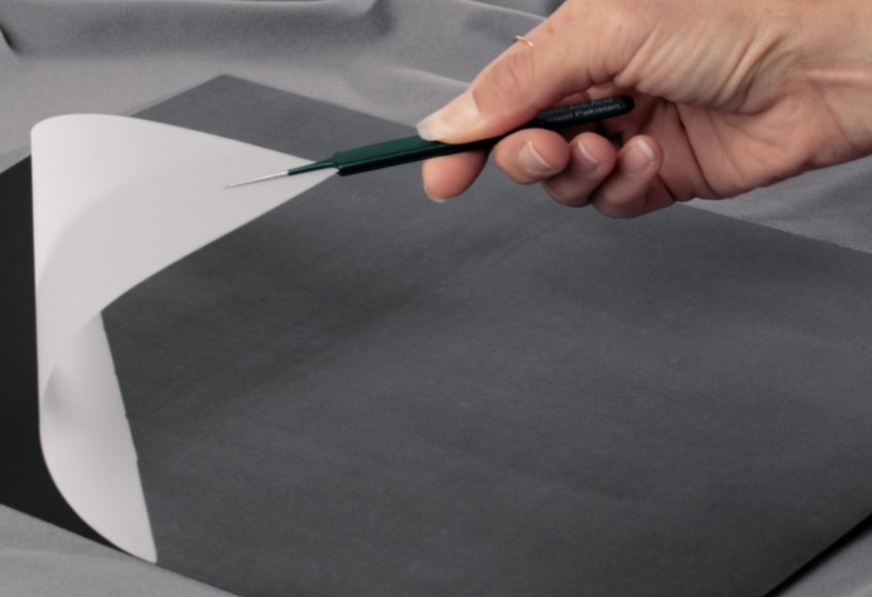
This technology enables clothing to do more than just look good. With built-in heaters, pressure sensors, and touch switches, Loomia’s electronic layers can make garments:
- Heat themselves in cold weather
- React to touch or motion
- Monitor physical or environmental conditions
A Smarter, More Sustainable Future
Loomia’s innovation also paves the way for sustainability and accessibility in design. Imagine workwear that keeps you warm in freezing temperatures, or athletic wear that tracks your performance—all without bulky devices or batteries.
Because the LEL can be mass-produced, it offers an affordable, scalable way for major fashion brands to integrate technology into their lines.
Fashion That Responds
With companies like Loomia, we’re entering an era where clothing is not only stylish but responsive, functional, and intelligent. The future of fashion lies in creating garments that interact with the wearer—an evolution from fabric to full-fledged technology.
Loomia’s mission is clear: to make smart textiles that feel as natural as cotton but perform like high-tech devices. And that’s exactly the future fashion needs.
Sources: Loomia (2025); Kettley (2016); Lindzon (2021)
💬 Your Thoughts
Would you wear clothing that heats up automatically or responds to touch? Drop your opinion in the comments — we’d love to hear what you think about the future of smart textiles!