

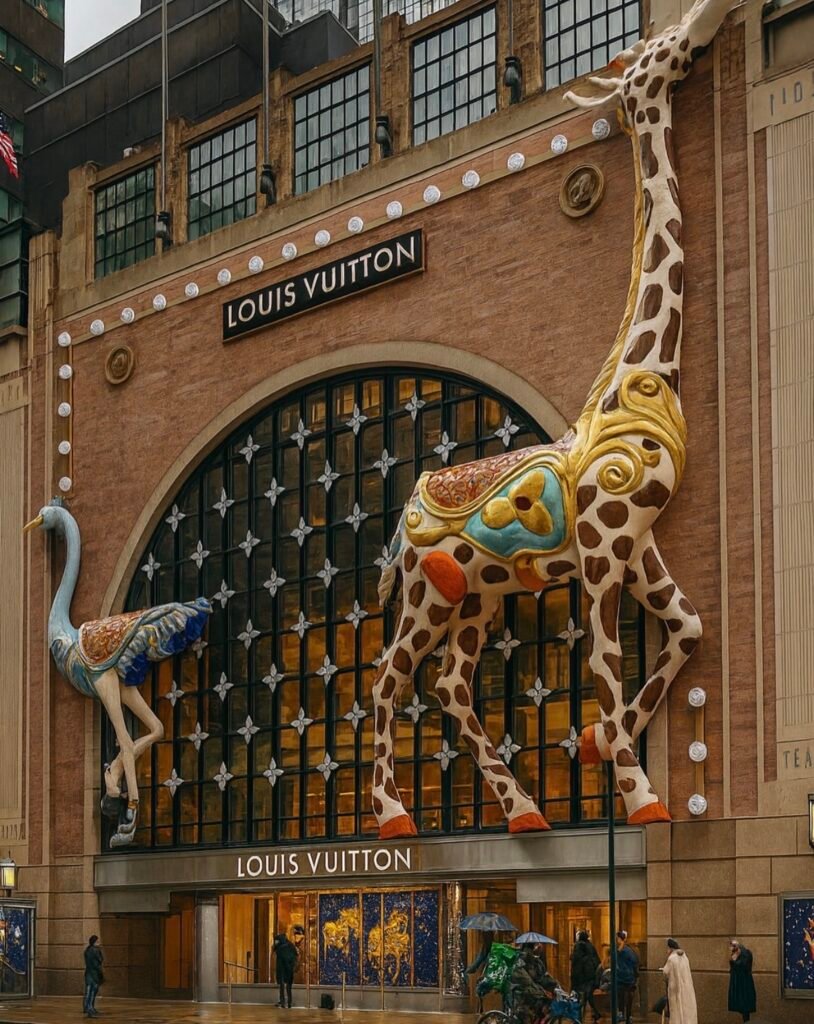
What Is Visual Merchandising?
We all shop! Clothes, home décor, tech, groceries, the usual. And while we’re walking through these stores, we don’t always realize how much of what we see is intentionally designed to catch our eye. The layout, the lighting, the little display that somehow makes a pair of shoes look way cooler than they did online; all of this is planned with one purpose: to draw you in. Why? Because the goal of visual merchandising is simple… get the consumer to spend money.
So what exactly is visual merchandising? According to Retail Merchandising Services, visual merchandising is a marketing practice that uses floor plans, color, lighting, displays, technology, and other design elements to attract customer attention and ultimately increase sales. At its core, it’s about presenting products in a way that makes customers feel like they need them.
Think about the last time you walked into a store and immediately spotted a shiny new product on a perfectly arranged display. New sneakers? Suddenly you “deserve a treat.” The newest iPhone? “Maybe it’s time for an upgrade.” That reaction isn’t random, rather it’s the work of a skilled visual merchandiser. And it doesn’t matter whether it’s fashion, tech, beauty, food, or anything in between. Every industry uses visual merchandising to shape how we shop and what we buy.
Why Visual Merchandising Matters
Visual merchandising isn’t just about making things look pretty — it’s about shaping how customers behave. A strong display can make someone stop, explore, and ultimately buy something they didn’t even plan on getting. Good merchandising guides people through a store without them ever realizing it. It sets the mood, tells a story, and helps customers imagine a product in their own lives. When done well, it boosts foot traffic, increases sales, and makes the entire shopping experience feel effortless. Think of it as the silent salesperson working 24/7.
Key Elements of Visual Merchandising
Visual merchandising blends creativity with strategy. Here are the core elements that make a display work:
• Color:
Color is one of the quickest ways to catch attention. Bright tones create excitement, neutrals feel calm and minimal, and monochromatic setups make products look luxurious. Brands lean on color psychology constantly.
• Lighting:
Lighting can make or break a display. Soft lighting creates warmth, while spotlights highlight specific items. Ever notice how jewelry stores make everything sparkle? Yeah , that’s intentional.
• Store Layout & Floor Plans:
How a store flows affects how long someone stays and where they look. Departments, aisles, and focal points are all positioned intentionally to keep customers engaged.
• Signage:
Clear, attractive signage helps guide customers and communicates promotions, new arrivals, or product features. Good signage makes a store feel organized and trustworthy.
•Props & Fixtures:
Mannequins, tables, shelving, and décor help set the scene. They turn products into part of a lifestyle story instead of just “things for sale.”
•Technology:
From digital screens to interactive displays and AR try-ons, technology is transforming visual merchandising. It keeps stores feeling modern and lets customers engage with products in new ways.
Conclusion
Visual merchandising is so much more than decorating a store. It’s the art and strategy behind how we experience shopping. From the colors we notice first to the displays that make us pause, every detail is crafted to spark curiosity and influence what we buy. As retail continues to evolve, strong visual merchandising remains essential for creating memorable, engaging spaces that keep customers coming back. Whether it’s fashion, tech, or even groceries, the right presentation can transform a simple product into something irresistible.
